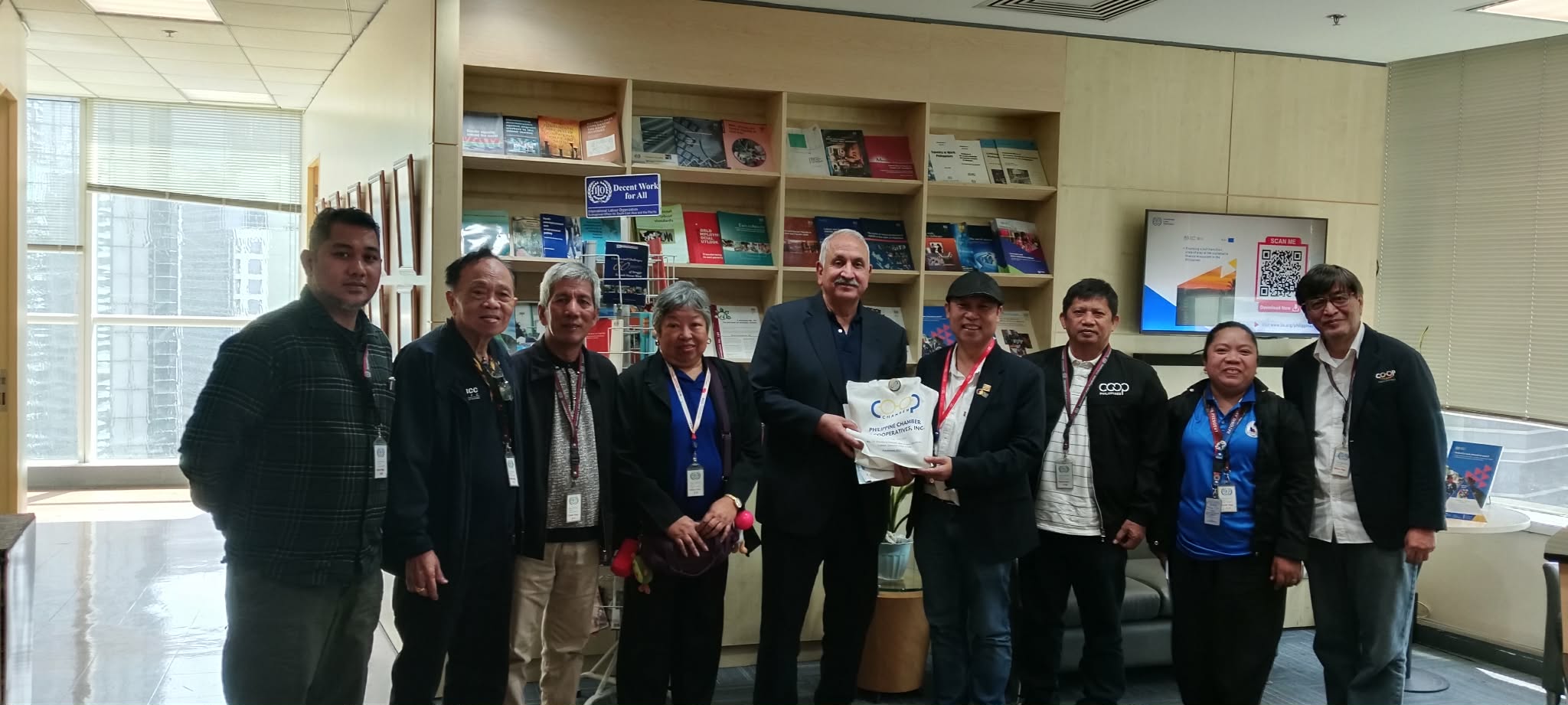
MAKATI CITY- ThePhilippine Chamber of Cooperatives, Inc., (Coop Chamber) led by Chairperson Noel D. Raboy, Secretary-General Edwin A. Bustillos, together with NCR Coop Chamber Governor Roger Manlangit and other co-op leaders from the Chamber’s Council, paid a courtesy visit to International Labour Organization (ILO) Philippine Country Office Director Mr. Khalid Hassan on January 22, 2026, at the ILO office in Makati City.
The meeting included a dialogue on strengthening cooperation to further promote the cooperative agenda based on the Coop Chamber’s Executive and Legislative Agenda and on exploring collaboration with the International Labor Organization in line with ILO Recommendation 193 on the promotion of Cooperatives.

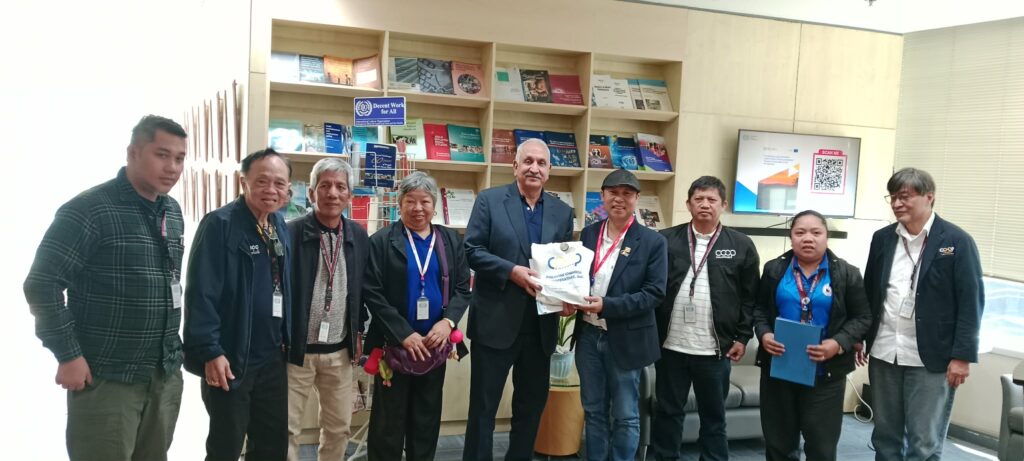
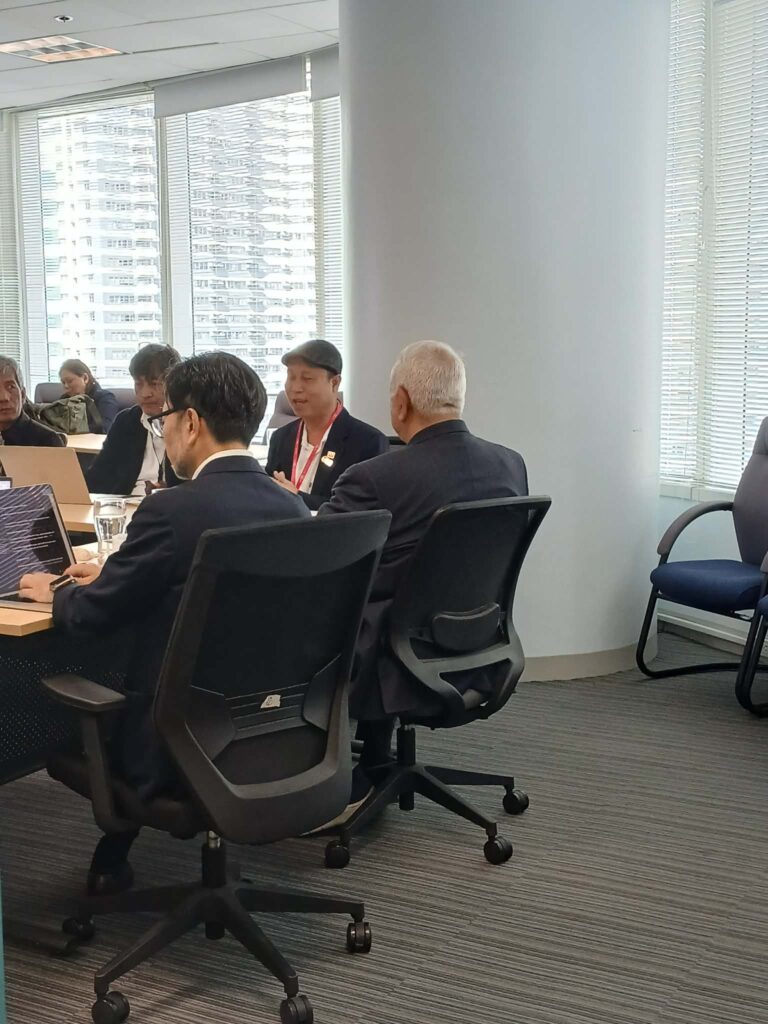
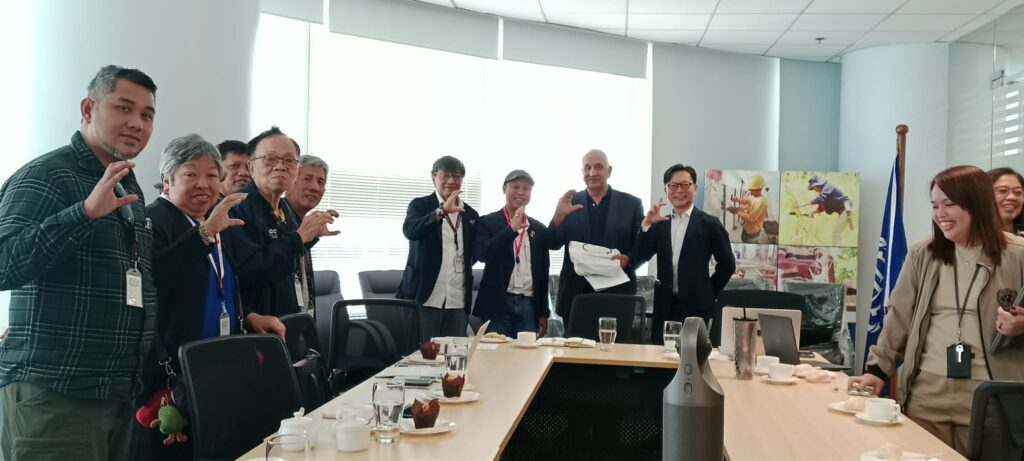
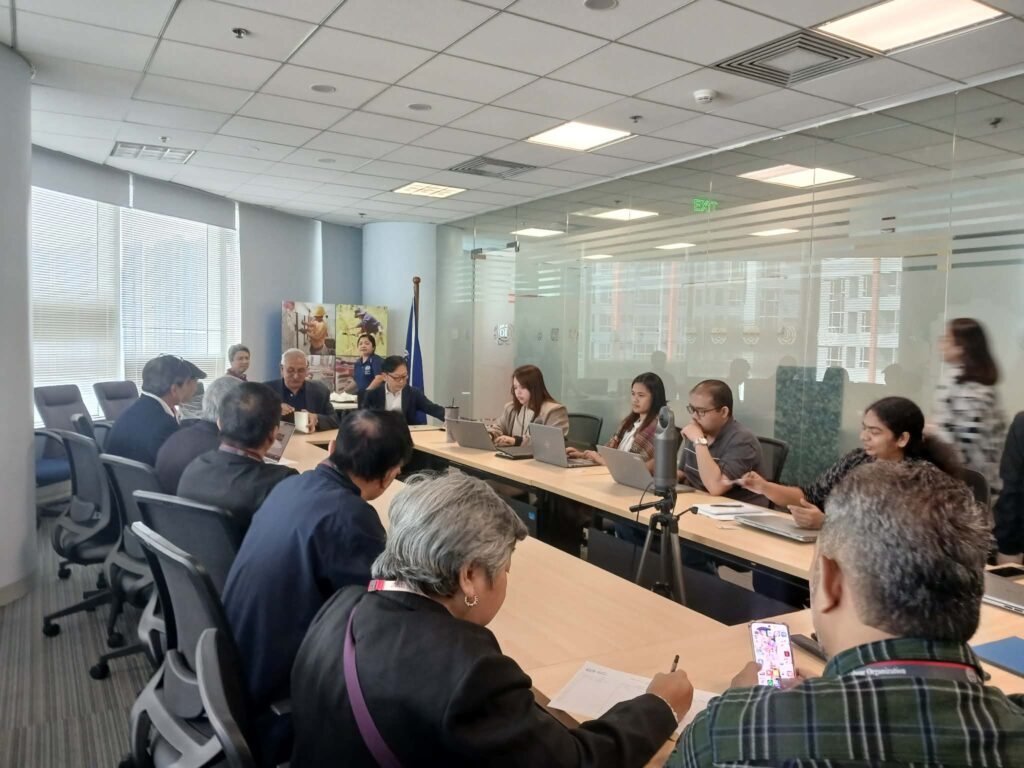
The delegation was warmly welcomed by Director Khalid Hassan, together with Mr. Hideki Kagohashi, the ILO Enterprise Development Specialist and focal person for cooperative programs. Director Hassan and Mr. Kagohashi expressed strong interest in learning more about the Coop Chamber, particulary its exploration of new areas beyond the traditional cooperative framework. Mr. Kagohashi noted the Chamber’s distinct positioning, as it is registered with the Securities and Exchange Commission (SEC) rather than with the Cooperative Development Authority (CDA).
The ILO expressed interest in how the Coop Chamber could contribute to the ILO’s promotion of Social Solidarity Economy, (SSE), where cooperatives serves as a major pillar. Discussions also covered the implementation of the Labor and Employment Plan and the realization of decent work as a central development goal. The ILO leadership in Manila emphasized its openness to collaborating with the Coop Chamber to advance these objectives through the cooperative framework.
In his opening statement, Chairperson Noel D. Raboy on behalf of the Coop Chamber Board of Trustees, expressed appreciation to the ILO Director Hassan for the opportunity to meet them. He recalled that during the ICA Training in Pula, Croatia last year, Philippine Leaders met international counterparts especially ILO Representative from Croatia, Ms. Semil Esim and engaged in extensive discussions on the importance of asserting the cooperative identity – not only because for its historical value, but also as anchored in international instruments such as ILO Recommendation 193.
Chair Raboy then presented the background and mandate of the Coop Chamber, highlighting its role as the unified voice of the cooperative movement. He emphasized the Chamber’s commitment to constant and meaningful consultations with coop leaders nationwide, the formulation of policy positions on key issues and concerns affecting the cooperatives, and the anchoring of the positions on cooperative principles and values. He further under-score the Coop Chamber’s role in representing cooperatives in various fora, engagements with the NGAs implementing coop programs, and dialogues with the legislators and lobbying to ensure that the cooperative agenda remains mainstreamed in the national development discourse.
He further shared that the Chamber has successfully established 16 Regional Coop Chambers, institutionalizing the meaningful participation of more than 500 primary cooperatives representing approximately 2 million individual members in policy formulation and advocacy. These efforts aim to empower cooperatives, stimulate countryside development, strengthen cooperative operations, and contribute meaningfully to national development.
Chair Raboy with SecGen Bustillos providing additional information, also cited the series of Regional Coop Chamber Assemblies which discussed the cooperatives’ contribution to the nation-building, in coordination with the Cooperative Development Authority (CDA), National Anti-Poverty Commission (NAPC), Department of Economy, Planning and Development (DEPDev) and partner cooperatives.
He further explained that the Coop Chamber actively champions cooperative advocacy, education (through Coop College of the Philippines), and innovation, empowering cooperatives to engage in climate action, renewable energy transition, financial inclusion, and social enterprise development.
Chair Noel concurred with Mr. Kagohashi’s view that cooperatives are major actors in establishing a social solidarity economy. Sec Gen Bustillos added that cooperative enterprises are present in major industries, such as in Finance, Insurance, Agriculture, Public Utilities, etc., and are well positioned to play a significant role in national growth and development.
Chairperson Raboy also stressed the Chamber’s active involvement in the ongoing revision of the Philippine Cooperative Code. He emphasized the Coop Chamber’s firm position against proposals that introduce voting mechanisms deviating from the principle of one cooperative, one vote, warning that such mechanisms undermine democratic member control, and risk eroding cooperative identity.
Secretary General Edwin Bustillos then presented the executive and legislative agenda of the cooperative movement, and emphasized the importance of partnership and collaboration with government agencies, legislators and institutions such as the ILO and expressed the Chamber’s strong interest in working closely with the ILO moving forward.
Director Hassan acknowledged the Coop Chamber’s effort in advancing cooperative development and expressed particular interest in the Public Transport Modernization Program. He explained that they started the ILO Program. He shared that the ILO is implementing programs under its Global Accelerator with a focus on the transport sector. The Global Accelerator aims to help countries “design and finance integrated policies for decent work, universal social protection, and just transitions. This was further elaborated by Ms. Stephanie Claudine Jaurigue, Senior Programme Assistant, who explained the program’s role in advancing social development goals through national roadmaps and multilateral collaboration.
The National Anti-Poverty Commission Cooperative Sectoral Council through its OIC Sectoral Representative Pronie Talisic, represented by Ms. Reliet Avila, (Sectoral Technical Coordinator) also contributed on the discussion. They presented sectoral perspectives and data to further advance the sectors position on Public Transport Modernization Program particularly on the issue of just transition.
Following extensive exchanges, the ILO extended an invitation to Coop Chamber to participate in future ILO programs, as TWG members or resource persons, especially in initiatives promoting decent work, and in areas where cooperatives can meaningfully contribute, especially in Public Transport modernization program, and the broader realization of the social and solidarity economy.
Director Hassan committed to providing the Coop Chamber with a copy of the ILO roadmap for construction and transportation sectors, and invited the Coop Chamber to send its views and policy recommendations using the cooperative lens and framework.
Finally, Director Khalid Hassan requested Mr. Kagohashi to further discuss with the team the proposal of Chairperson Raboy for the ILO Manila to issue a position on the ongoing revision of the Philippine Cooperative Code- particularly on the issue of share voting, which the Coop Chamber maintains is inconsistent with ICA Principle on Democratic Member Control. The Coop Chamber reiterated its firmed stance that the principle of one coop, one vote should not only apply to but also to secondary cooperatives, emphasizing that cooperatives are people driven, service driven enterprises, not capital- driven enterprises.
The meeting concluded with both parties committing to sustain communication and explore concrete areas of collaboration in promoting the role of cooperatives in economic and social development, in line with the ILO Recommendation 193 on the Promotion of Cooperatives.
Present during the meeting where the National Capital Region Coop Chamber leaders who were present in the meeting and dialogue include Vice Governor Ivy Ferrer, Council Leaders Jose Aguilar, Tristan Bringas, and Allan Cadarrao, with Support from Yolanda Pinzon and Queeneihl Osis of the Coop Chamber secretariat.
The ILO team in attendance were Suneetha Eluri – Social Dialogue & Industrial Relations Specialist, Katherine Brimon – Senior Programme Officer, DIGIPinas Project, Bryan Balco – Project Manager, Trade for Decent Work project, Allyssa Dacasin – National Project Coordinator, Canada Freedom of Association and Child Labour project, Ma. Lourdes Rivera – Programme Officer (Monitoring and Evaluation), Stephanie Jaurigue – Senior Programme Assistant and Ricardo Misa – Office Support Assistant